Use Cases
Organisations can only achieve long-term success by consistently attending to the needs of their stakeholders. Below you find a selection of business examples from various organisations that use Squib successfully.
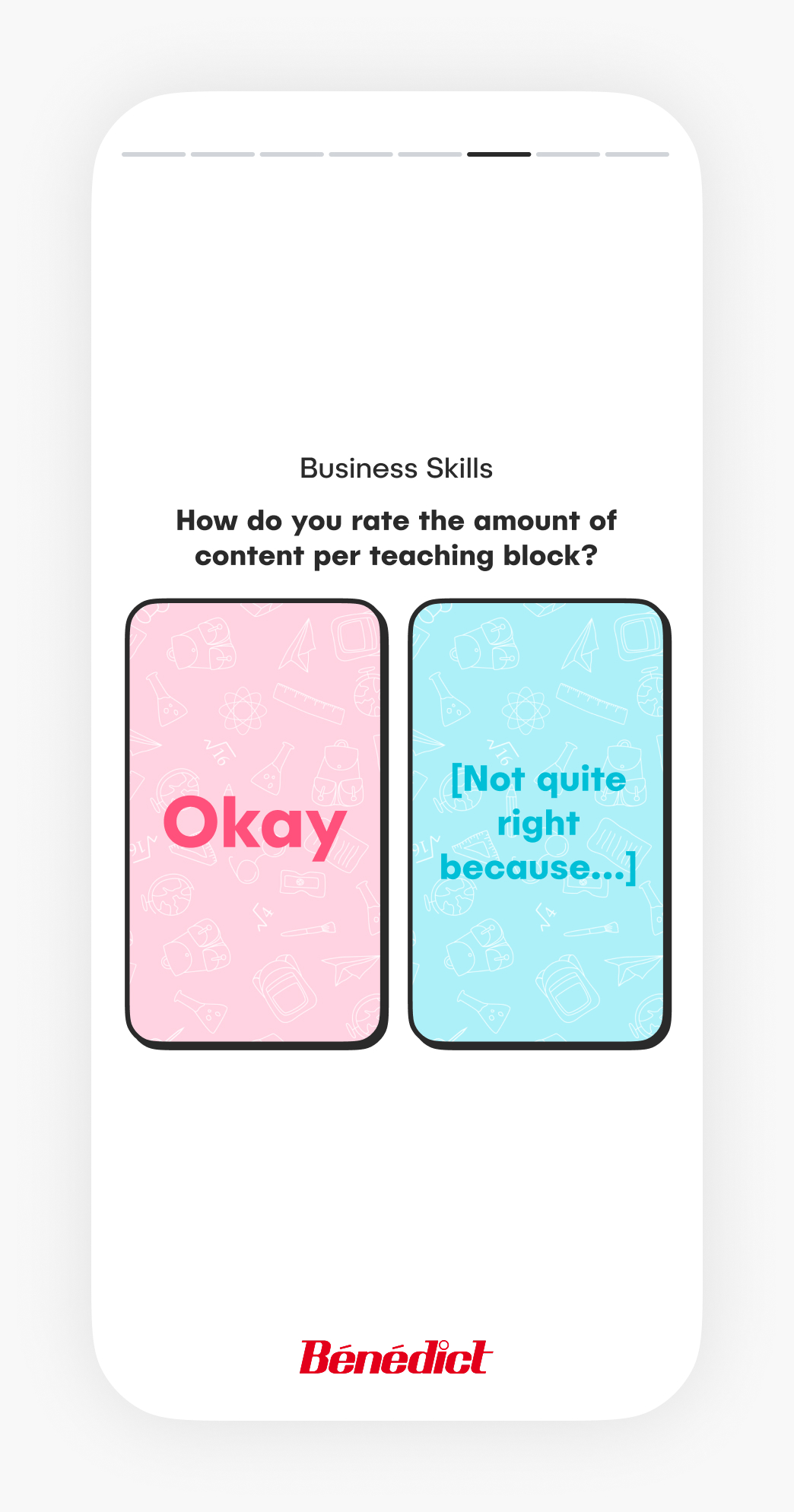
Establish needs-based school instruction
An ideal learning environment also takes into account the needs of learners. It is important to obtain feedback regularly during the semester. Contemporary and interactive, directly via QR code in the classroom.
This example was realized with

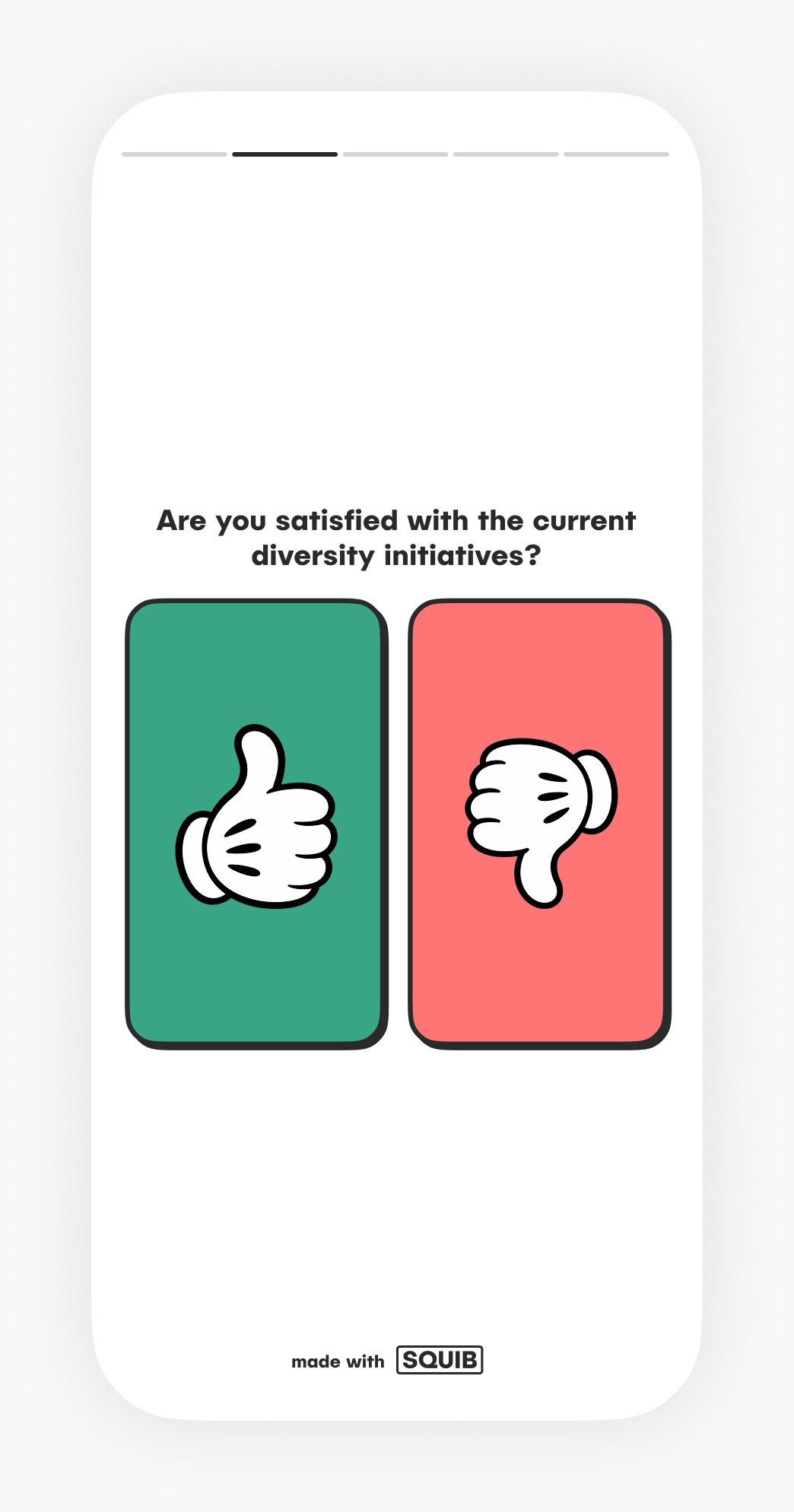
Addressing the employees' needs
Listening to employees and involving them is essential for an organisation's success. However, this should be done in an accessible and intuitive manner, either directly at the workplace via a QR codes or remotely, at any time and from any location, via a link.
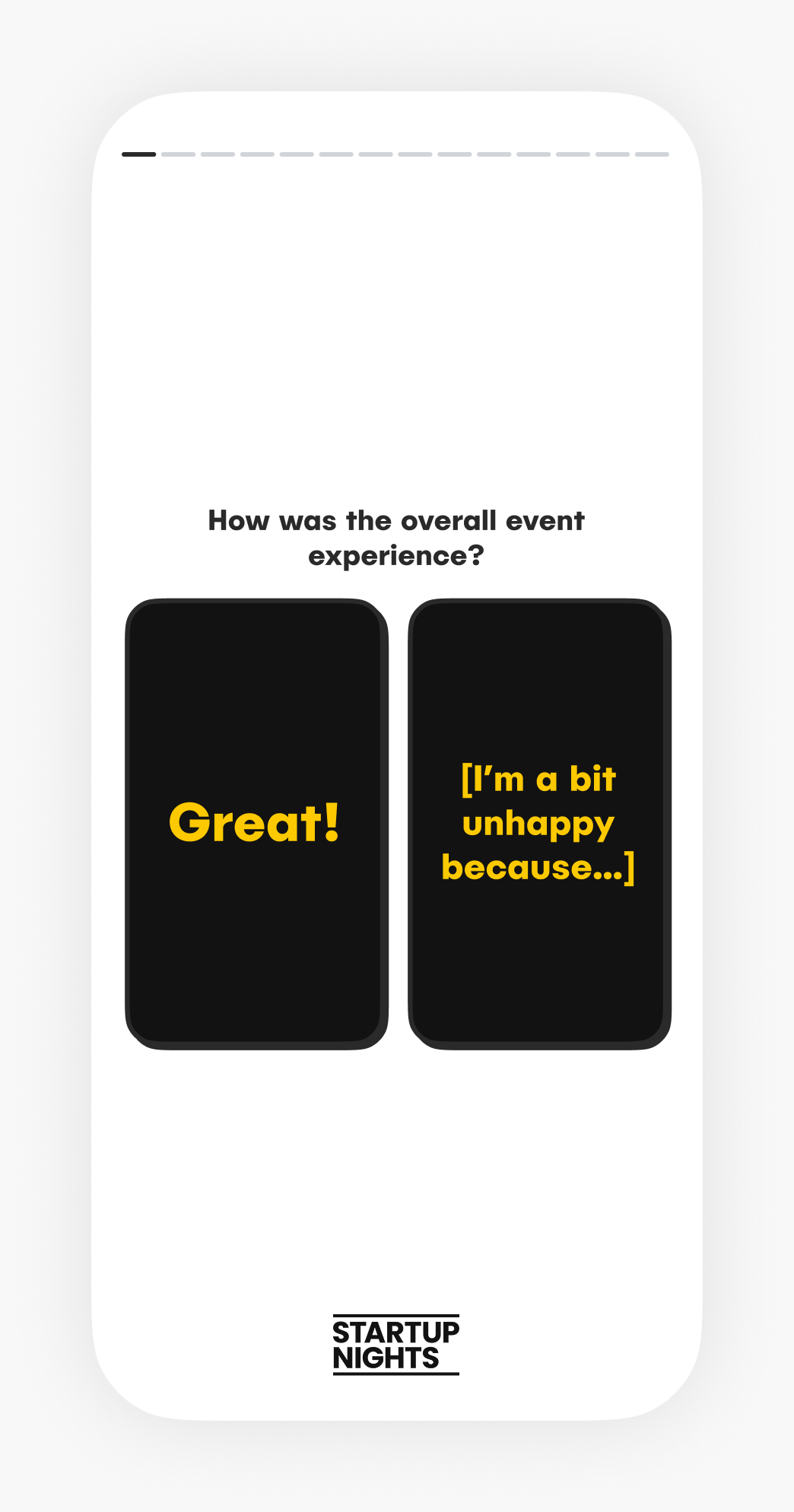
Real-time event feedback
Engage your event attendees directly and in a clever way to gather valuable feedback on the topics that will help you move forward. This innovative approach to interaction also empowers participants to actively contribute to future developments.
This example was realized with

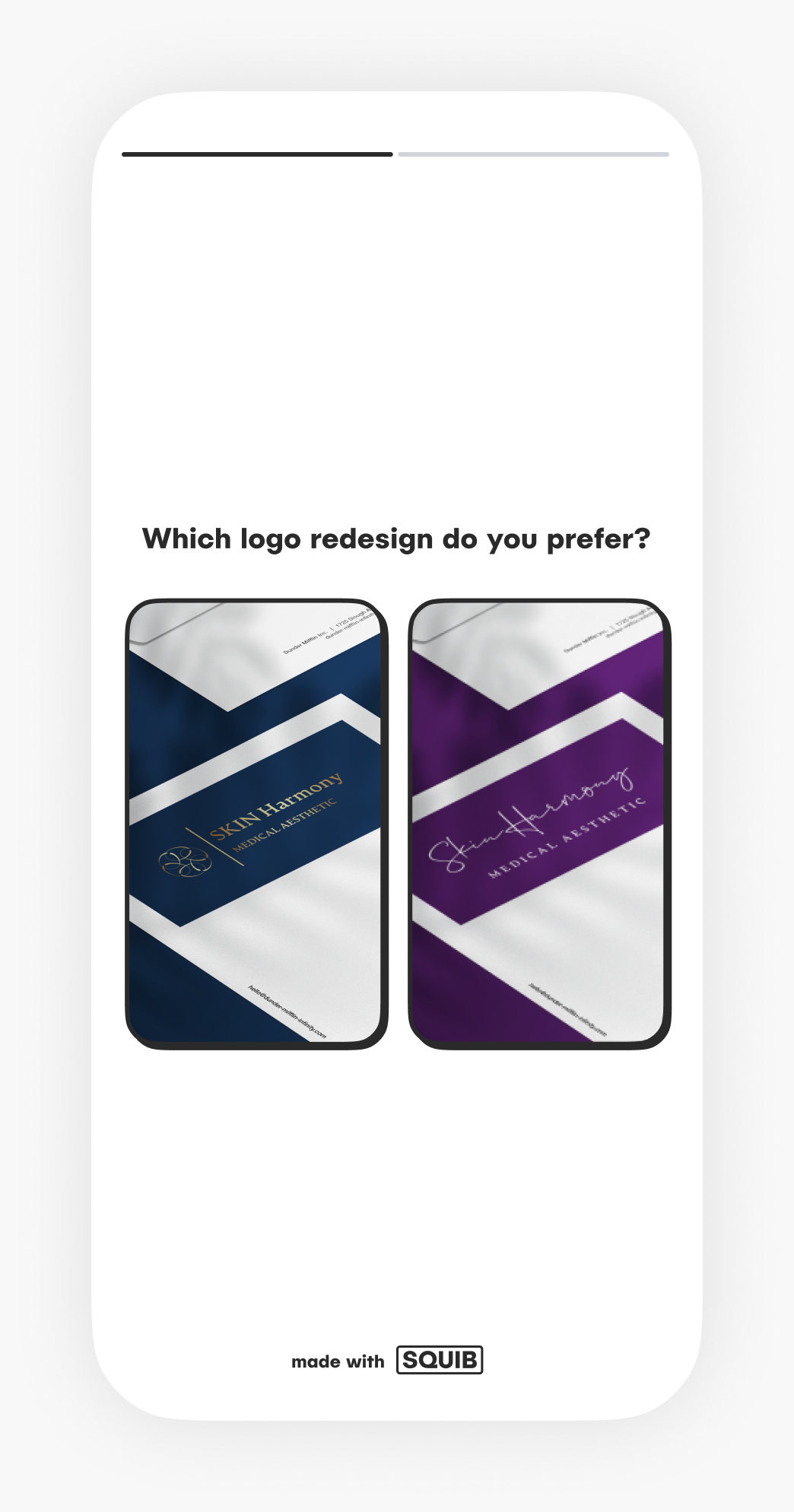
Success factor co-creation: actively involving customers
The approach to actively involve current and future customers makes it possible to tailor products and services towards their needs and preferences: 'market research light' combined with a clever marketing approach leads to innovations that truly resonate with their target audience.
This example was realized with